Opening Coordination
The transition from construction to guest-ready environments is where schedules tighten, coordination gaps appear, and execution risk becomes visible. Velinor explores why the final phase deserves disciplined oversight.
In hospitality projects, the early phases tend to receive the most attention. Design development, procurement approvals, and contractor selection are structured processes supported by contracts, drawings, and clear deliverables. But the final phase — the transition from active construction into a fully realized, guest-ready environment — often receives far less structured oversight.
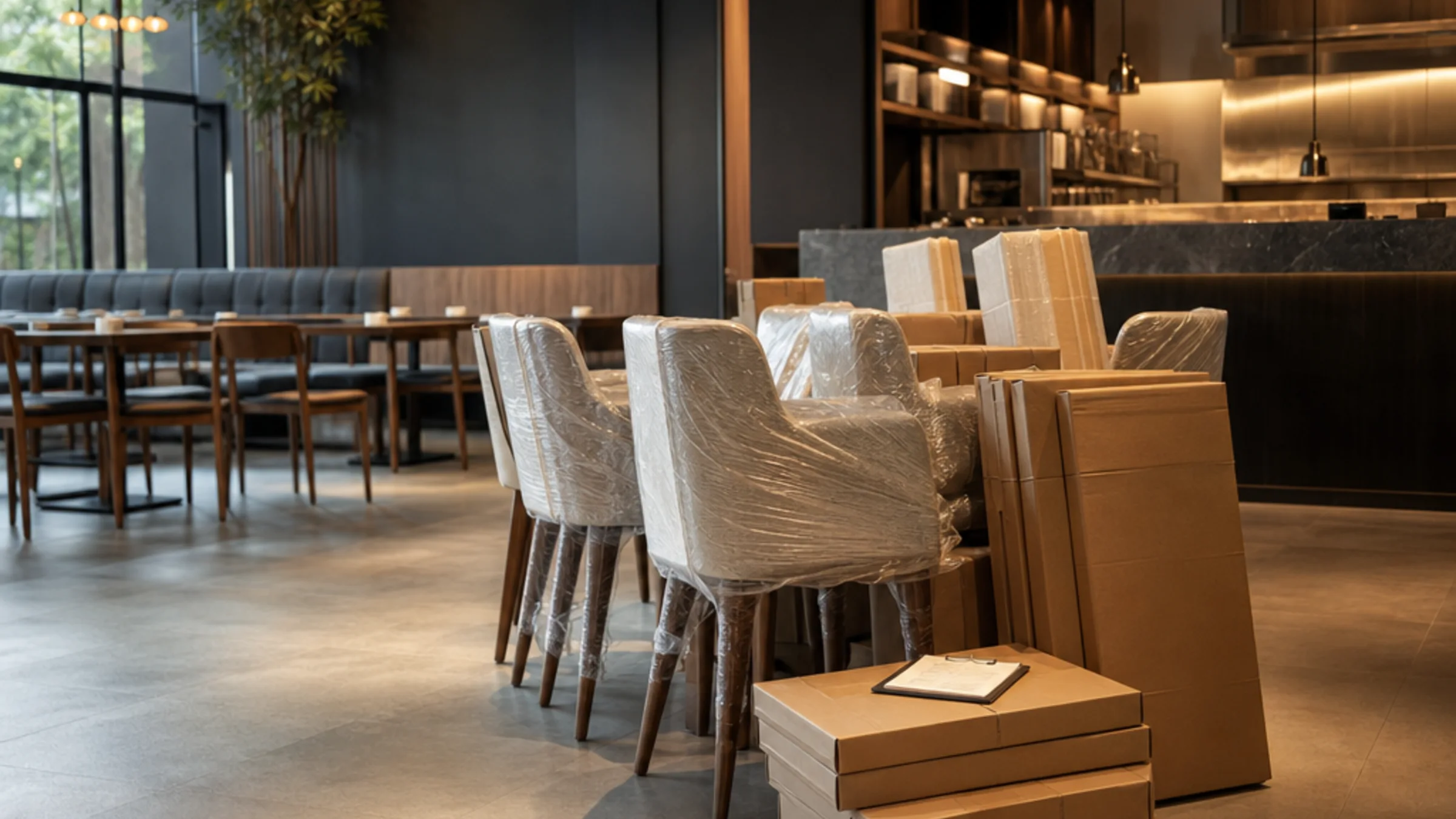
This is where projects become most vulnerable. Furniture arrives while punch items are still open. Installation crews work around incomplete construction. Vendor schedules conflict with access windows. Staging areas are shared across trades. Coordination gaps that were manageable earlier in the project suddenly become visible delivery risks.
The challenge is not that people are not working hard. It is that the final phase of a hospitality project requires a specific kind of coordination — owner-side, hospitality-focused, and oriented toward the guest experience rather than construction completion alone.
Velinor's approach begins with the understanding that operational readiness and installation completion are not the same thing. A space can be fully installed and still not be guest-ready. Presentation details, staging alignment, punch resolution, and final documentation all require active management in the days and weeks before turnover.
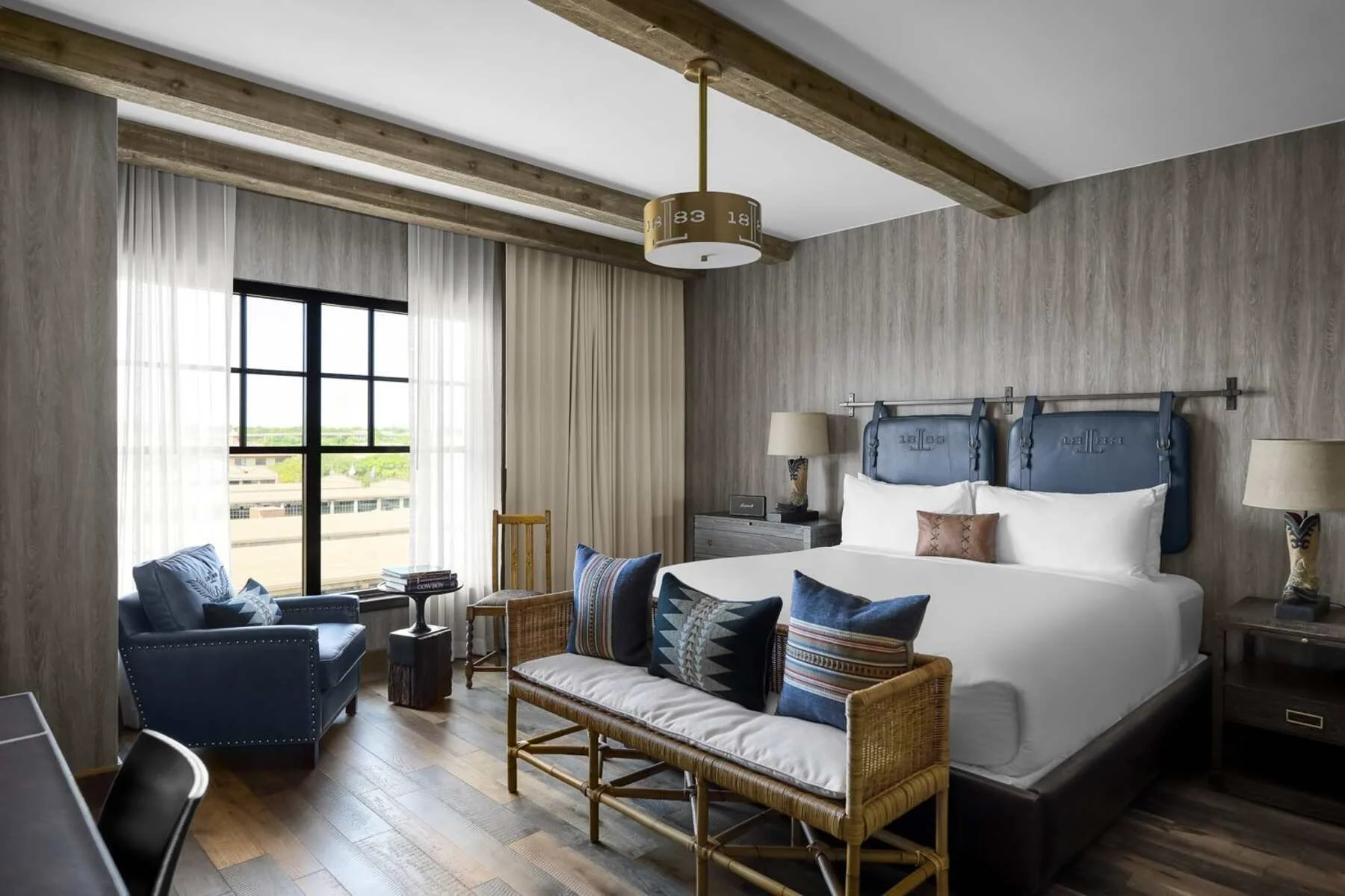
For luxury hospitality environments, senior living communities, wellness centers, and resort amenity spaces, the final phase is not simply the end of a project. It is the moment when everything ordered, specified, and approved becomes a real environment that guests or residents will experience. That transition deserves the same discipline and visibility that early project phases receive.
Owner-side coordination through the final phase creates accountability, reduces risk, and protects the guest experience that the entire project was designed to deliver.
Have a project that could benefit from structured execution support?
Discuss Your Project →