Opening Coordination

Luxury renovations require more than design and procurement. They require careful sequencing, communication, and execution oversight to protect the final guest experience.
Luxury hospitality renovations occupy a unique position in the execution landscape. The specifications are refined, the design intent is carefully considered, and the guest expectations are high. Yet the execution environment — an active or recently closed property, often operating on compressed timelines — creates conditions where even well-planned projects face coordination pressure.
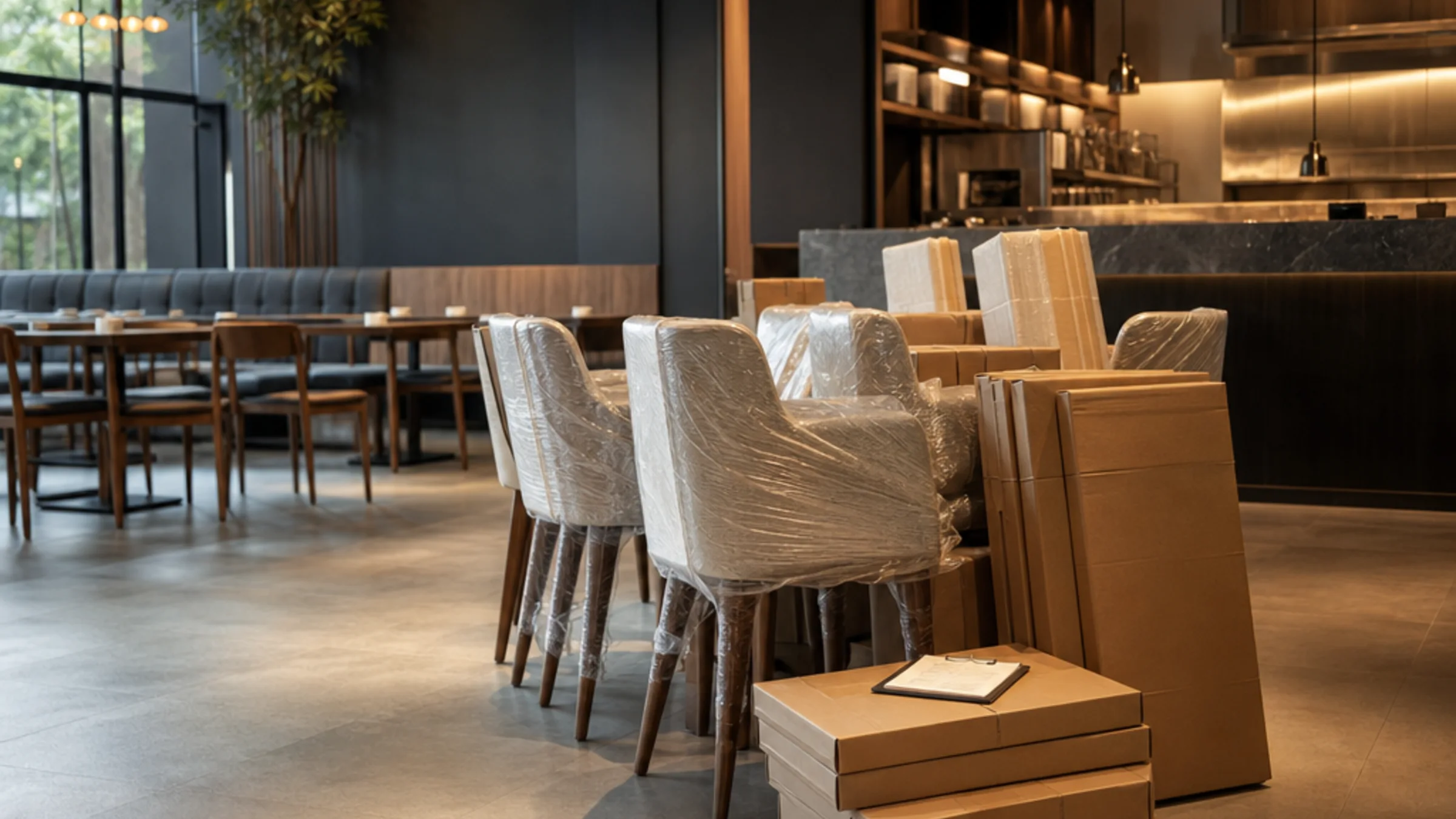
The complexity is not always in the procurement or the design. It is in the sequencing. Furniture deliveries must align with construction completion by area. Installation windows must account for operational constraints. Phasing plans must protect areas that remain in use while work continues elsewhere. Vendor schedules must support — not conflict with — the overall project timeline.
Owner-side coordination during a luxury renovation serves a specific function: maintaining visibility and accountability across all execution partners so that operational disruption is minimized and guest-facing quality is protected. This is distinct from construction management. It is about the transition layer — the space between procurement approval and guest-ready delivery.
For properties with high ADR expectations, even minor presentation inconsistencies can affect guest satisfaction. Coordinating the final phase of a luxury renovation through an owner-side lens means holding every detail — from furniture placement to accessory staging — to the same standard as the initial design specification.
Velinor's experience in luxury hospitality renovation coordination reflects this approach: disciplined execution management that protects both the timeline and the final environment.
Have a project that could benefit from structured execution support?
Discuss Your Project →